The Invisible Hands That Keep Singapore’s Maritime Empire Afloat: Inside the World of Ship Chandlers

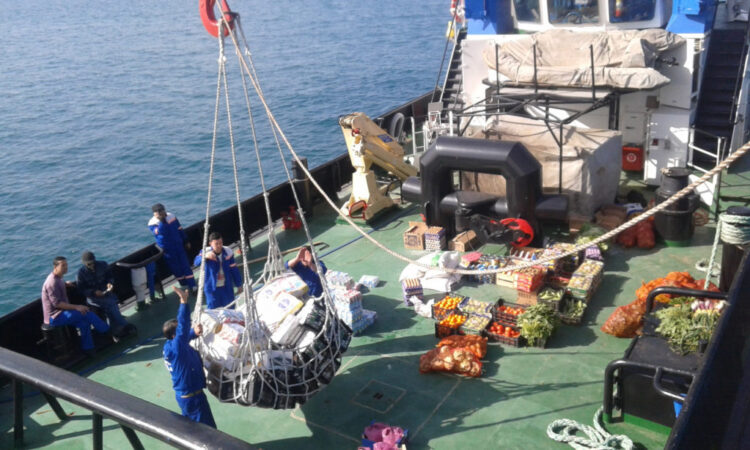
The ancient profession of ship chandler Singapore practitioners continues largely unseen by the city-state’s millions of residents, yet remains absolutely vital to the maritime ecosystem that has defined this island nation since its founding. In the predawn hours, when most of the city sleeps, a network of suppliers springs to life along the harbour, preparing to meet the needs of vessels that may remain in port for mere hours before continuing their journey across the world’s shipping lanes.
The Invisible Maritime Lifeline
Few Singaporeans glimpse the intricate dance that unfolds daily at the water’s edge. Ship chandlers—those specialized suppliers who provide everything from engine parts to fresh produce—operate in a parallel Singapore that exists alongside but separate from the gleaming office towers and meticulously planned neighbourhoods.
“We are the silent partners in Singapore’s maritime success,” explains a veteran chandler who began his career as a teenager in the 1970s. “A vessel might need anything—spare parts for an emergency repair, fresh provisions, medical supplies—and they need it immediately. There is no room for delay in shipping.”
The urgency creates a particular rhythm to the work. Orders arrive at all hours, sometimes requiring chandlers to source unusual items under impossible deadlines. One chandler recounts how his team once procured a specific medication for a crew member experiencing a medical crisis, delivering it to a container ship during its brief six-hour layover.
A History Written on Water
Singapore’s relationship with ship chandlery stretches back to its earliest days as a trading port. When Sir Stamford Raffles established the settlement in 1819, ship chandlers were among the first businesses to appear.
“Before refrigeration, before modern logistics, the ship chandler was literally the difference between life and death for sailors,” notes a maritime historian at the National University of Singapore. “They provided the salted meats, the hardtack biscuits, the lime juice that prevented scurvy—they were the original essential service.”
The colonial-era chandlers operated from shophouses along the Singapore River, where their multi-story buildings served as both retail space and warehouse. Some of these structures still stand, repurposed as restaurants and offices, their history visible in the thick wooden beams designed to support the weight of ship supplies.
The Modern Chandler’s Challenge
Today’s ship chandler in Singapore faces a transformed landscape:
- Vessels spend dramatically less time in port, sometimes just hours rather than days
- Ordering has moved from handwritten lists to sophisticated digital platforms
- Environmental regulations have created new demands for specialised products
- Crew sizes have shrunk while expectations for quality and variety have grown
- Competition has intensified with players from across Southeast Asia entering the market
“The margins grow thinner every year,” sighs a second-generation chandler whose father started their business in the 1960s. “But the responsibility remains the same—if we fail to deliver, a ship does not sail. That is the weight we carry.”
The Invisible Supply Chain
The logistics behind modern chandlery would impress even the most seasoned supply chain expert. A single vessel might request:
- Fresh provisions including meats, vegetables, and baked goods
- Technical supplies from lubricants to specialized tools
- Bonded items like cigarettes and spirits that require customs clearance
- Medical supplies and pharmaceuticals
- Safety equipment replacements
- Cleaning supplies and chemicals
“We might receive an order at midnight for delivery at 5 a.m.,” explains a logistics coordinator who has worked with several chandleries. “That means our team is contacting suppliers, arranging transport, preparing customs documentation, and coordinating with port authorities, all while most of Singapore sleeps.”
The Human Element
Behind the invoices and manifests lie human stories that rarely enter public awareness. The Filipino chief engineer who desperately needs a replacement part to pass inspection. The Indian captain requesting specific ingredients so his multinational crew can prepare familiar meals during a long journey. The Norwegian shipping executive who needs to arrange a birthday celebration for a crew member who will be at sea on their special day.
“We become part of their extended family,” explains a chandler who has served the maritime community for over three decades. “We know their preferences, their dietary restrictions, even which brands of coffee they prefer. When you’ve supplied a captain across multiple vessels over many years, you develop a relationship that transcends business.”
Digital Transformation Meets Ancient Trade
While the fundamentals of the profession remain unchanged—supplying vessels with what they need, when they need it—technology has transformed how chandlers operate:
- Mobile applications that allow crews to place orders while still at sea
- Inventory management systems that track thousands of items across multiple warehouses
- Predictive analytics that anticipate vessel needs based on route data
- Digital payment systems that handle multiple currencies and complex accounting requirements
- Communication platforms that bridge language barriers with crews from around the world
“The modern ship chandler must be as comfortable with algorithms as with anchors,” jokes a young entrepreneur who recently entered the industry after completing her studies in logistics management.
The Future Horizon
Despite the challenges, Singapore’s chandlers remain cautiously optimistic about their future. The island nation’s position as a maritime hub seems secure, and as long as ships call at its ports, they will need suppliers who understand the unique rhythms and requirements of life at sea.
As container ships grow larger and environmental regulations tighten, new opportunities emerge for chandlers who can adapt to changing demands. Those who embrace sustainable products, who can navigate complex international regulations, and who maintain the flexibility to respond to unexpected needs will likely thrive.
For the casual observer standing along Singapore’s shoreline, watching the endless procession of vessels entering and leaving the harbour, the hidden network of suppliers remains largely invisible. Yet this ancient profession continues its essential work, part of the living heritage of a nation whose fortunes have always been tied to the sea and to the skilled services of every ship chandler Singapore.