

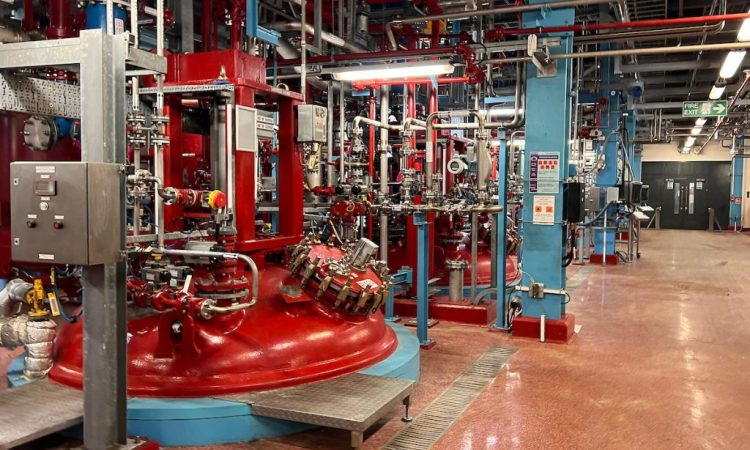
Industry forms the backbone of modern economies. It represents organized economic activity focused on producing goods or delivering services at scale. From traditional manufacturing plants to advanced digital enterprises, industry shapes employment, innovation, trade, and overall economic stability.
What Is Industry?
Industry refers to a group of businesses or organizations engaged in similar economic activities. These activities typically involve:
-
Extraction of raw materials
-
Manufacturing and processing
-
Service delivery
-
Technology-driven production
Industries exist to meet human needs efficiently while generating value and supporting economic growth.
Major Types of Industry
Industries are commonly classified based on the nature of their activities. Each type plays a distinct role within the economic system.
Primary Industry
The primary industry focuses on extracting natural resources directly from the Earth.
Examples include:
-
Agriculture and farming
-
Fishing and aquaculture
-
Mining and quarrying
-
Forestry
These industries provide essential raw materials used by other sectors.
Secondary Industry
The secondary industry involves processing raw materials into finished or semi-finished goods.
Key characteristics:
-
Converts natural resources into usable products
-
Adds significant economic value
-
Often associated with factories and production plants
Examples include manufacturing, construction, and metal processing.
Tertiary Industry
The tertiary industry, also known as the service sector, delivers services rather than tangible goods.
Common areas include:
-
Transportation and logistics
-
Healthcare and education
-
Banking and insurance
-
Retail and hospitality
This sector directly supports consumers and businesses.
Quaternary and Quinary Industries
Modern economies also recognize advanced industry types:
-
Quaternary industry: Knowledge-based services such as IT, research, data analysis, and consulting
-
Quinary industry: Human-centered services like social work, public health, and community development
These industries rely heavily on expertise, innovation, and intellectual capital.
Importance of Industry in the Economy
Industry contributes to economic development in multiple ways:
-
Employment generation across skill levels
-
Technological advancement through research and innovation
-
Infrastructure development including transport and energy
-
International trade growth via exports and imports
-
Improved living standards through mass production of goods and services
A strong industrial base often correlates with higher national income and economic resilience.
Key Trends Shaping Modern Industry
Industries are evolving rapidly due to global and technological changes.
Automation and Industry 4.0
Smart factories now use:
-
Artificial intelligence
-
Robotics
-
Internet of Things (IoT)
-
Data-driven decision-making
These technologies improve productivity while reducing errors and costs.
Sustainability and Green Practices
Industries are increasingly adopting:
-
Renewable energy sources
-
Eco-friendly manufacturing
-
Waste reduction strategies
-
Circular economy models
Sustainability is no longer optional—it is a competitive necessity.
Globalization and Supply Chains
Modern industries operate across borders, relying on complex global supply chains that demand efficiency, resilience, and adaptability.
Digital Transformation
Cloud computing, digital platforms, and remote operations have transformed how industries function, manage teams, and serve customers.
Challenges Faced by Industries
Despite progress, industries face several ongoing challenges:
-
Rising energy and raw material costs
-
Skilled labor shortages
-
Environmental regulations
-
Cybersecurity threats
-
Supply chain disruptions
Addressing these issues requires strategic planning and continuous innovation.
The Future of Industry
The future of industry will be defined by technology, sustainability, and adaptability. Companies that invest in innovation, upskill their workforce, and align with environmental goals are more likely to thrive in an increasingly competitive landscape.
Industries will continue to evolve, but their core purpose—creating value through organized economic activity—will remain unchanged.
Frequently Asked Questions (FAQs)
1. What is the main purpose of industry?
The main purpose of industry is to produce goods or provide services efficiently to meet human needs while contributing to economic growth.
2. How is industry different from business?
Industry refers to a group of similar economic activities, while a business is a single organization operating within an industry.
3. Which industry is the largest globally?
The service industry is currently the largest worldwide, contributing the highest share to employment and GDP in many countries.
4. Why is industrialization important for developing countries?
Industrialization creates jobs, boosts exports, improves infrastructure, and helps reduce dependence on agriculture alone.
5. How does technology impact industry?
Technology improves productivity, reduces costs, enhances quality, and enables industries to operate on a global scale.
6. What is Industry 4.0?
Industry 4.0 refers to the integration of smart technologies like AI, automation, and IoT into industrial production systems.
7. How can industries become more sustainable?
Industries can adopt renewable energy, reduce waste, improve efficiency, and implement environmentally responsible production methods.


