The automotive industry is undergoing one of the most significant transformations in its history. What was once centered on mechanical engineering and fuel efficiency has expanded into a technology-driven ecosystem that blends electronics, software, sustainability, and mobility services. These changes are redefining how vehicles are designed, manufactured, and used.
The Shift Toward Electrification
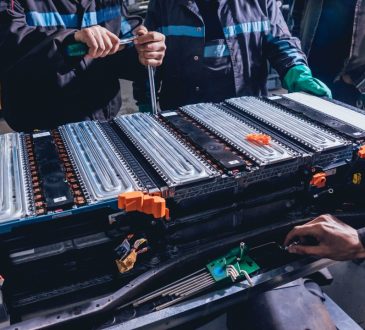
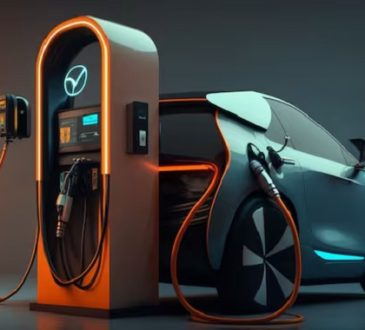
Electrification has become a cornerstone of modern automotive development. Governments, manufacturers, and consumers are increasingly aligned in reducing reliance on fossil fuels.
Key drivers of this shift include:
- Stricter emissions regulations across global markets
- Advancements in battery energy density and charging speeds
- Lower long-term ownership and maintenance costs
- Growing environmental awareness among consumers
Electric vehicles are no longer niche products. They now span multiple segments, from compact city cars to high-performance and luxury models.
Connected Vehicles and Smart Technology
Today’s vehicles function as connected digital platforms rather than standalone machines. Embedded sensors, real-time data processing, and over-the-air updates are reshaping the driving experience.
Notable innovations include:
- Advanced driver assistance systems for improved safety
- Vehicle-to-vehicle and vehicle-to-infrastructure communication
- Cloud-based diagnostics and predictive maintenance
- Seamless smartphone and voice assistant integration
These technologies improve convenience while also laying the groundwork for higher levels of automation.
Autonomous Driving: Progress and Practicality
Autonomous driving continues to evolve through incremental steps rather than overnight breakthroughs. Most vehicles on the road today operate at partial automation levels, supporting drivers rather than replacing them.
Benefits of automation
- Reduced accident rates caused by human error
- Improved traffic flow and fuel efficiency
- Increased accessibility for elderly and disabled users
Ongoing challenges
- Complex urban driving environments
- Legal and ethical considerations
- High development and validation costs
As infrastructure and regulations mature, automation will become more widespread and reliable.
Sustainability Beyond the Powertrain
Sustainability in the automotive sector extends far beyond electric motors. Manufacturers are rethinking the entire lifecycle of a vehicle.
Areas of focus include:
- Lightweight materials to improve efficiency
- Recyclable and bio-based interior components
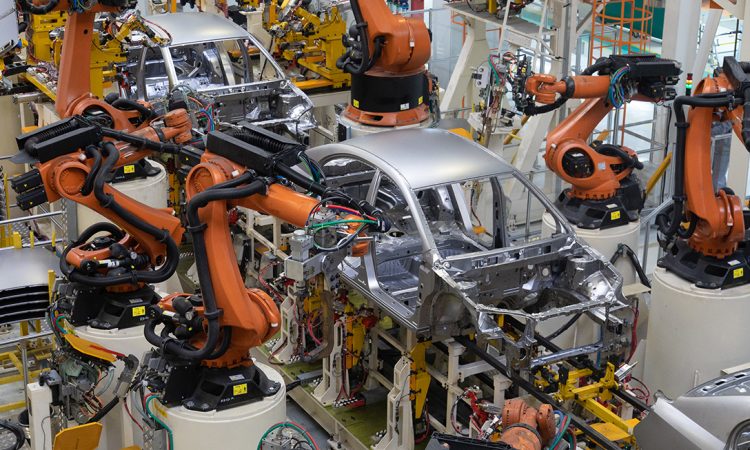
- Energy-efficient manufacturing processes
- Reduced water and waste usage in production
This holistic approach ensures environmental responsibility from raw materials to end-of-life recycling.
Changing Consumer Expectations
Modern buyers expect vehicles to reflect their digital lifestyles. Ownership models, customization options, and service experiences are evolving rapidly.
Consumers now value:
- Software updates that add features over time
- Subscription-based services instead of one-time purchases
- Transparent safety and sustainability information
- Personalized in-car experiences
The car is increasingly seen as an extension of the connected home and workplace.
The Road Ahead for Automotive Innovation
The future of the automotive industry lies in integration rather than isolation. Vehicles will continue to merge transportation, technology, and sustainability into a unified experience. Companies that adapt quickly to these trends will shape the next era of mobility, while those that resist change risk being left behind.
Frequently Asked Questions (FAQ)
1. How long do modern vehicle batteries typically last?
Most modern electric vehicle batteries are designed to last 8–15 years, depending on usage patterns, climate, and charging habits.
2. Are connected vehicles vulnerable to cybersecurity threats?
While risks exist, manufacturers invest heavily in encryption, secure software updates, and intrusion detection to protect vehicle systems.
3. Will autonomous vehicles completely replace human drivers?
Full replacement is unlikely in the near future. Automation will mainly assist drivers and handle specific scenarios rather than all driving conditions.
4. Is vehicle sustainability only about emissions?
No. Sustainability also includes materials sourcing, manufacturing efficiency, recyclability, and supply chain transparency.
5. Do electric vehicles perform well in extreme climates?
Performance can be affected by very hot or cold conditions, but modern thermal management systems significantly reduce these impacts.
6. How is automotive manufacturing changing?
Manufacturing is becoming more digitized and automated, with increased use of robotics, AI-driven quality control, and modular production lines.
7. What skills will future automotive professionals need?
Future roles will emphasize software development, data analysis, electronics, and systems integration, alongside traditional engineering expertise.