Electric vehicle (EV) range has become a defining factor for consumer adoption. Early concerns about limited driving distance are steadily fading as battery technology advances at an unprecedented pace. Innovations in chemistry, design, and energy management are enabling EVs to travel farther, charge faster, and last longer than ever before.
Evolution of Battery Chemistry
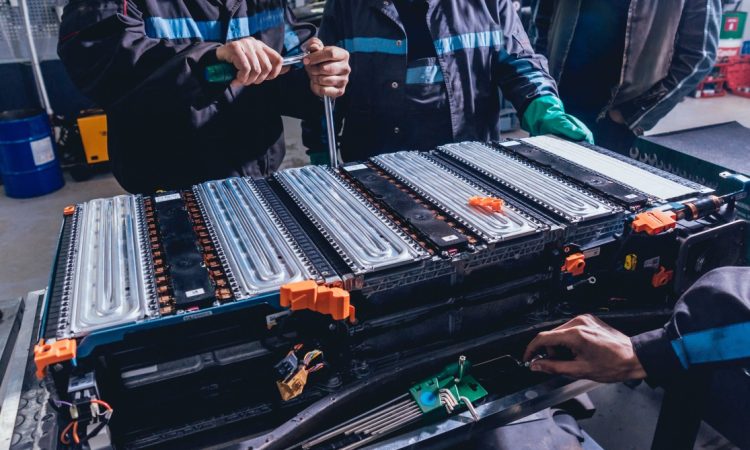
At the heart of improved range lies the continuous refinement of battery chemistry. Modern batteries store more energy within the same physical space, directly increasing driving distance.
Key chemical advancements include:
- Higher energy density lithium-ion cells that pack more power per kilogram
- Reduced reliance on cobalt, improving stability and sustainability
- Enhanced electrode materials that minimize energy loss
These improvements allow manufacturers to extend range without significantly increasing battery size or weight.
Rise of Solid-State Battery Technology
Solid-state batteries represent one of the most promising breakthroughs in EV development. Unlike traditional liquid electrolytes, solid-state designs offer greater efficiency and safety.
Benefits of solid-state batteries:
- Increased energy storage capacity
- Lower risk of overheating and degradation
- Longer lifecycle with slower capacity loss
While still in early deployment stages, solid-state batteries are expected to dramatically boost EV range once mass production scales.
Improved Thermal Management Systems
Battery performance is highly sensitive to temperature. Advanced thermal management systems now regulate heat more effectively, ensuring optimal performance across diverse climates.
Modern systems help by:
- Maintaining ideal operating temperatures
- Reducing energy loss in extreme heat or cold
- Preserving battery health over extended use
This leads to consistent real-world range, regardless of driving conditions.
Smarter Battery Management Software
Software plays a critical role in extracting maximum efficiency from every charge. Battery management systems (BMS) continuously monitor and optimize performance.
Intelligent software improvements include:
- Precise energy distribution across cells
- Accurate range prediction algorithms
- Adaptive charging and discharging cycles
These systems prevent unnecessary power loss, allowing drivers to travel farther on a single charge.
Lightweight Materials and Vehicle Integration
Battery improvements work best when combined with lighter vehicle structures. Automakers are integrating batteries into vehicle platforms more efficiently than ever.
Design innovations contributing to range gains:
- Structural battery packs that reduce redundant components
- Use of lightweight aluminum and composite materials
- Improved aerodynamics reducing energy demand
Together, these enhancements ensure that stored energy is used more effectively.
Faster Charging Without Compromising Range
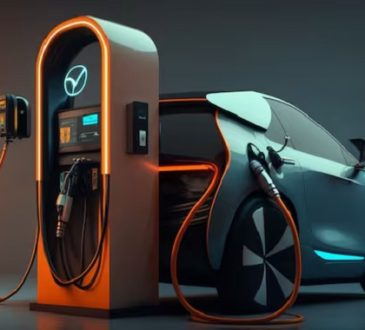
Modern batteries support faster charging while maintaining long-term performance. Reduced charging times encourage more frequent top-ups, effectively extending usable range for daily driving.
Advancements enabling this include:
- Improved cell architecture
- Enhanced cooling during fast charging
- Reduced degradation from high charging speeds
As charging infrastructure expands, range anxiety continues to decline.
The Future Outlook for EV Range
Battery technology remains the single most influential factor in EV evolution. As research accelerates and manufacturing costs decrease, longer-range electric vehicles will become the norm rather than the exception. These advancements not only improve convenience but also strengthen confidence in electric mobility worldwide.
Frequently Asked Questions (FAQ)
1. How much has EV range improved over the past decade?
Average EV range has more than doubled, with many models now exceeding 300 miles per charge.
2. Do larger batteries always mean better range?
Not necessarily. Efficiency, vehicle weight, and software optimization are equally important.
3. Will solid-state batteries replace lithium-ion batteries completely?
They are expected to complement and eventually replace them, but widespread adoption will take time.
4. How does driving style affect battery range?
Aggressive acceleration, high speeds, and heavy loads can significantly reduce range.
5. Does frequent fast charging reduce battery range over time?
Modern batteries are designed to handle fast charging with minimal long-term impact when properly managed.
6. Can software updates improve EV range?
Yes. Manufacturers often release updates that optimize energy usage and range estimation.
7. What role does battery recycling play in future range improvements?
Recycling recovers valuable materials, lowering costs and enabling more advanced battery development.